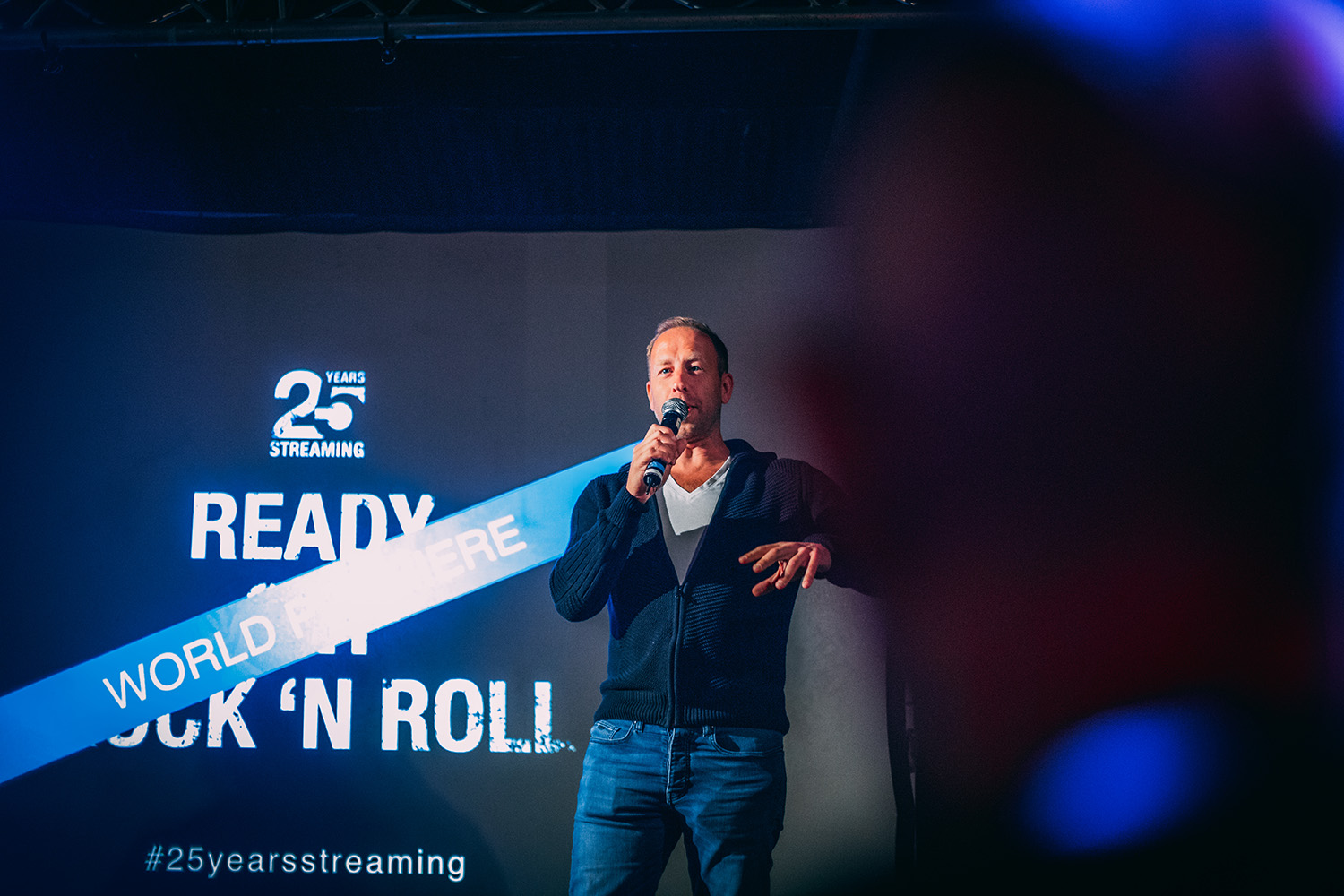
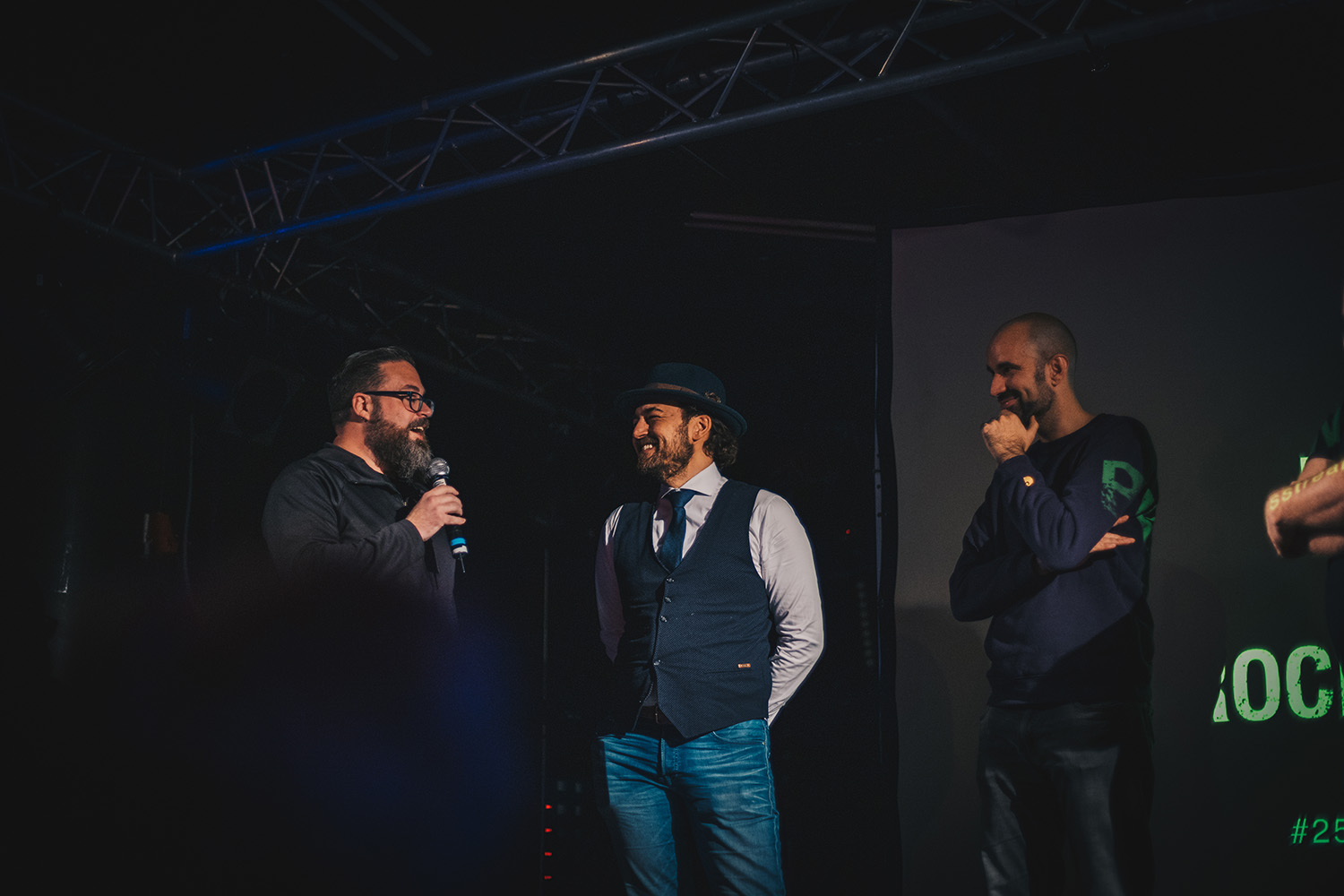
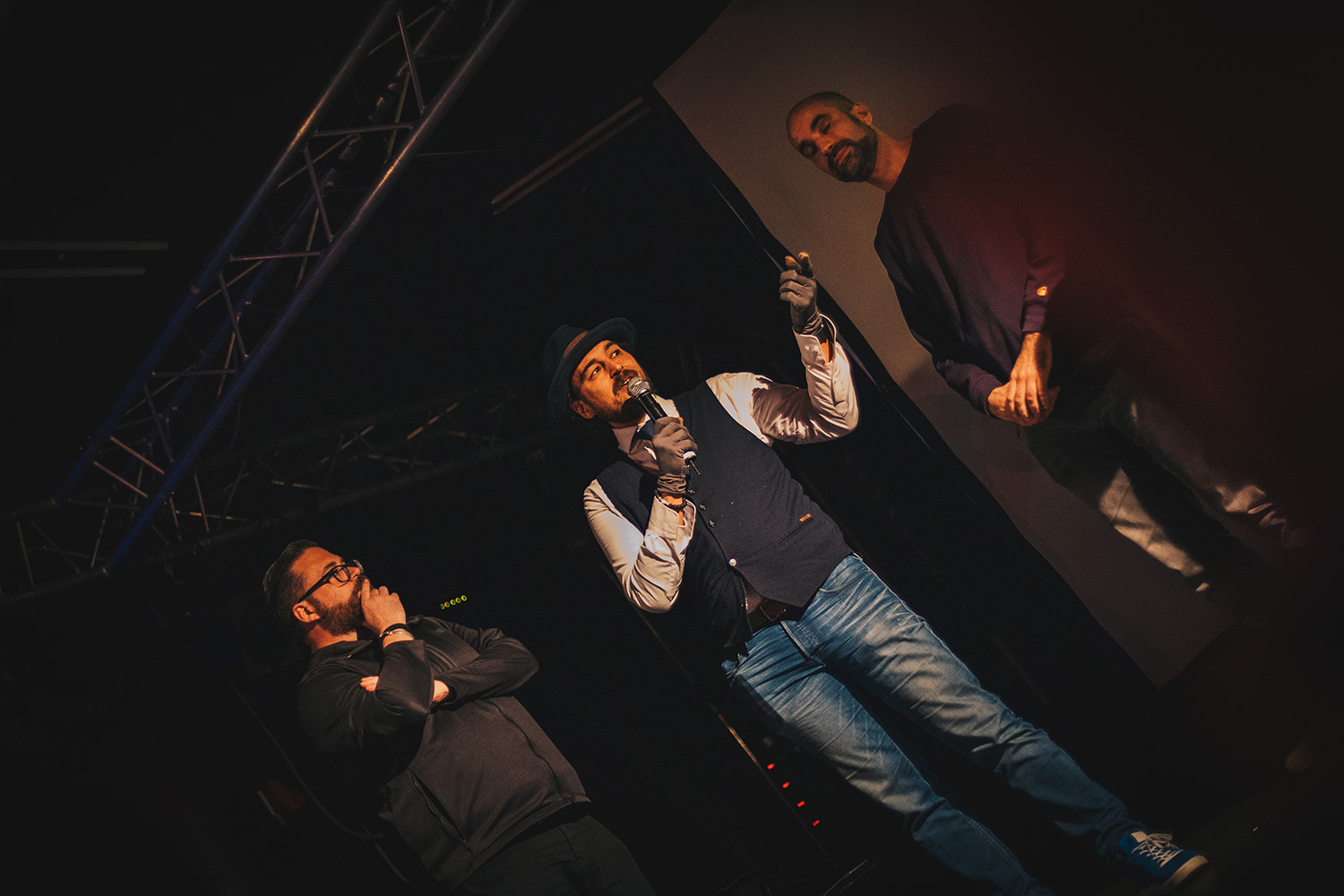
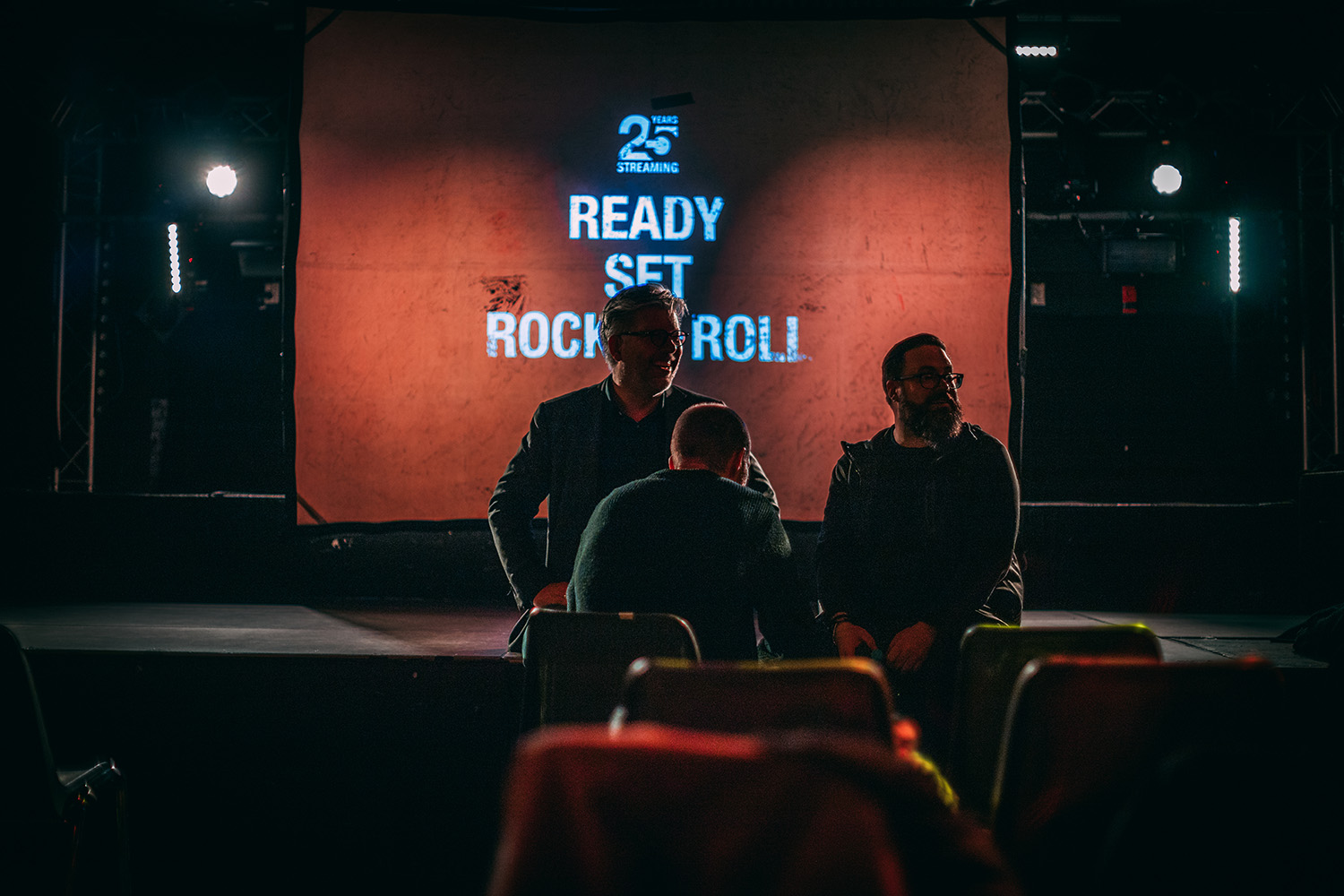
Full English transcript of Ready Set Rock ’n Roll (2019), the rockumentary about the world’s first live webcast on November 4, 1994 in Simplon, Groningen. Timestamps are minutes:seconds in the film.
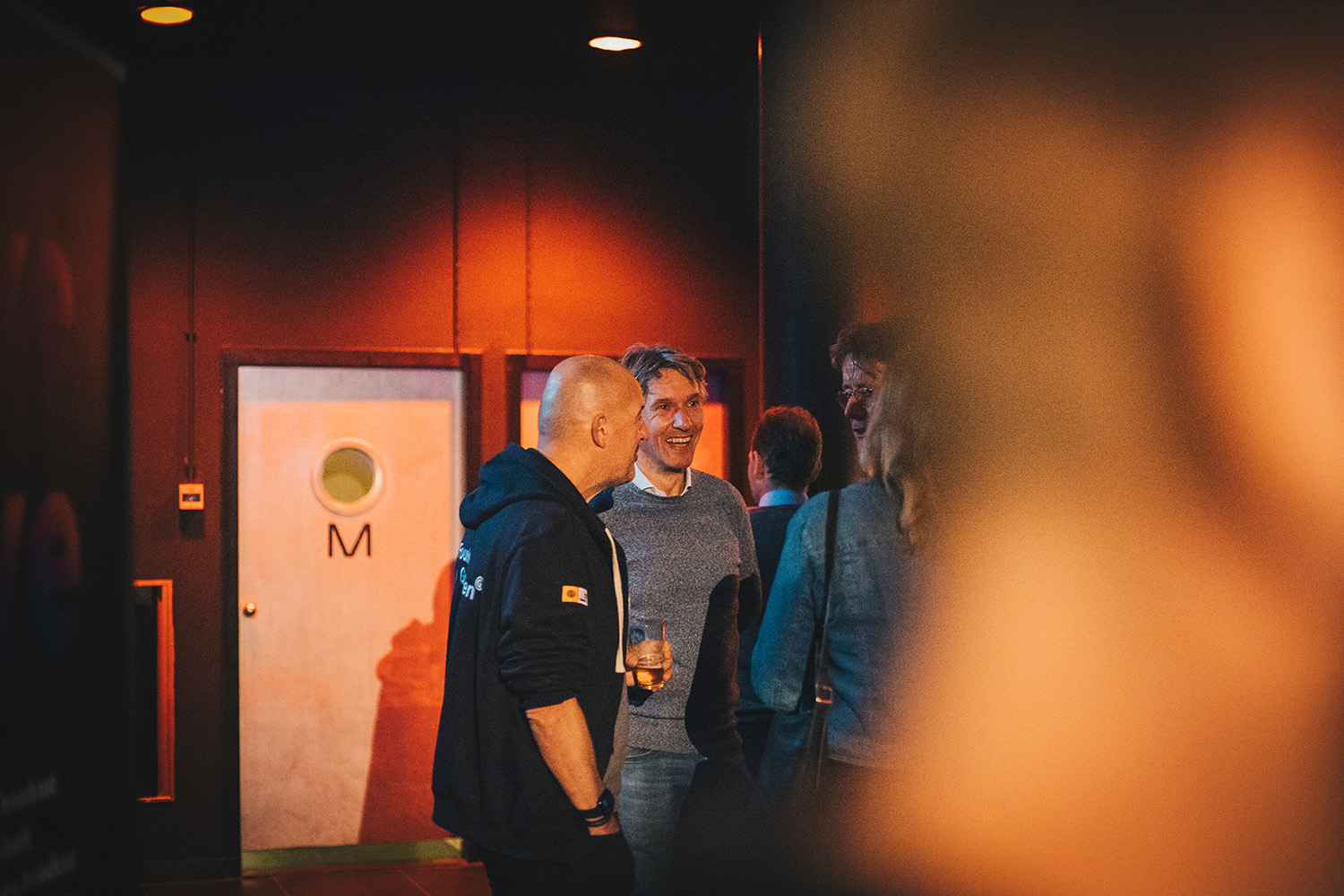
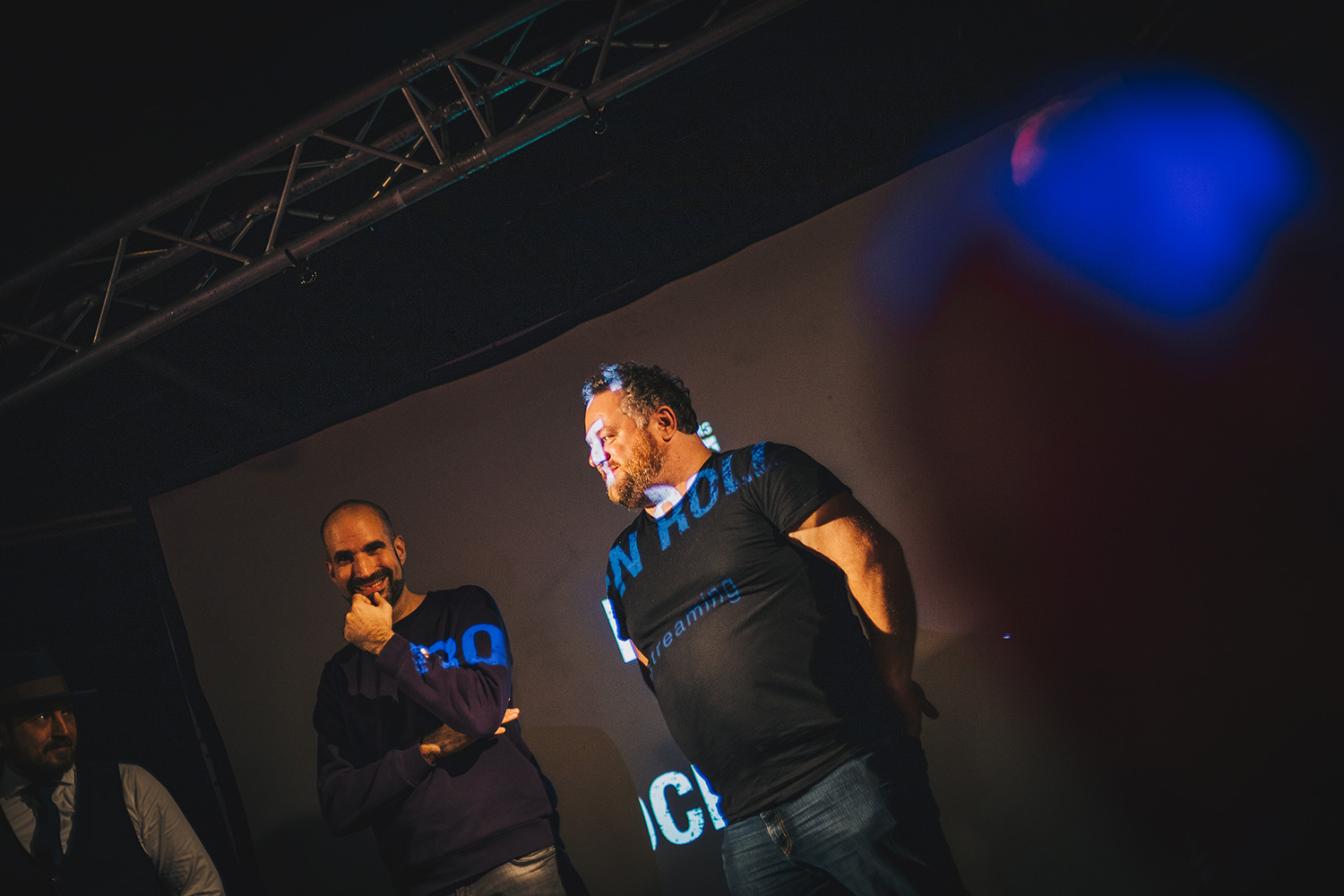
00:03So Stef, here we are. 1994? 1994, here in Simplon. This is where the magic happened. This is where we produced our very first live stream, ever. In Groningen. Actually in the world, as far as we know. In the world. Who was the band? I don't know. How do you not know? We were focussed on the live stream
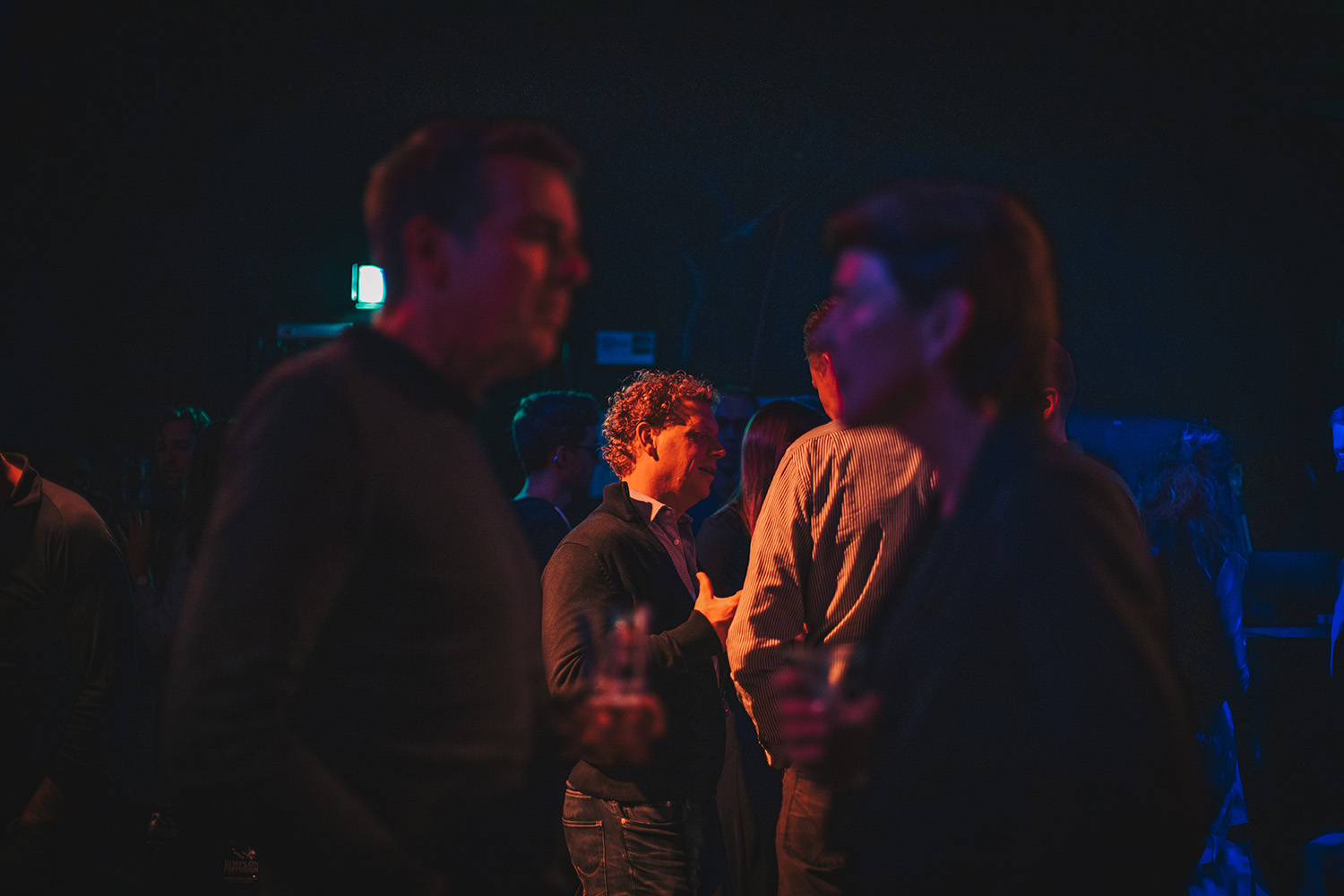
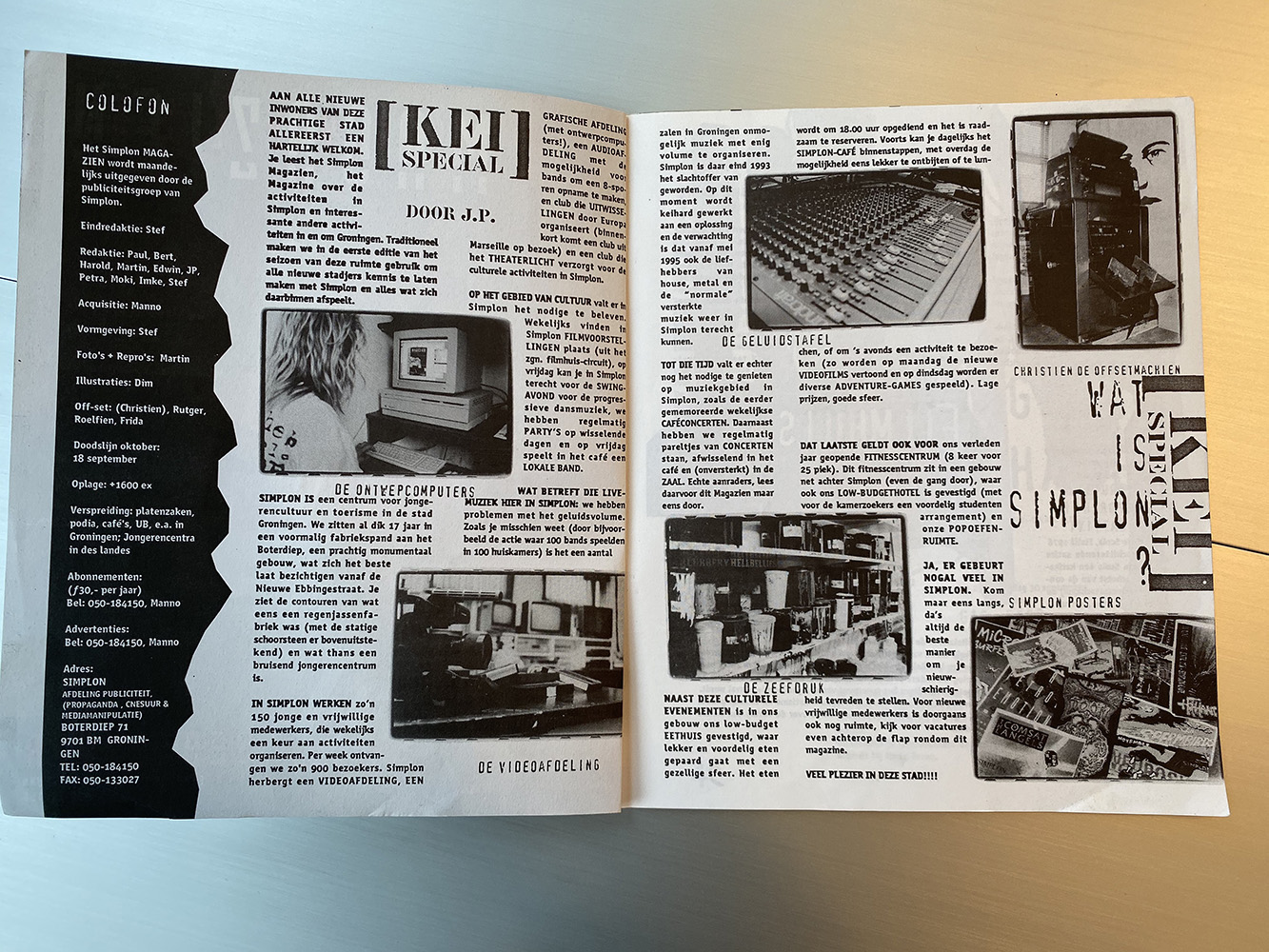
00:28Back in the 1990's, Groningen was like it's own special planet. A young and creative city with a rocking music scene
00:37A safe haven for students, drop outs, nerds, rock stars and pioneers. Who could get their kicks until very early in the morning
00:46Everyone was playing in a band. Or playing the artist. Or playing with each other. Or, so I've been told, playing with the drummer's girlfriend
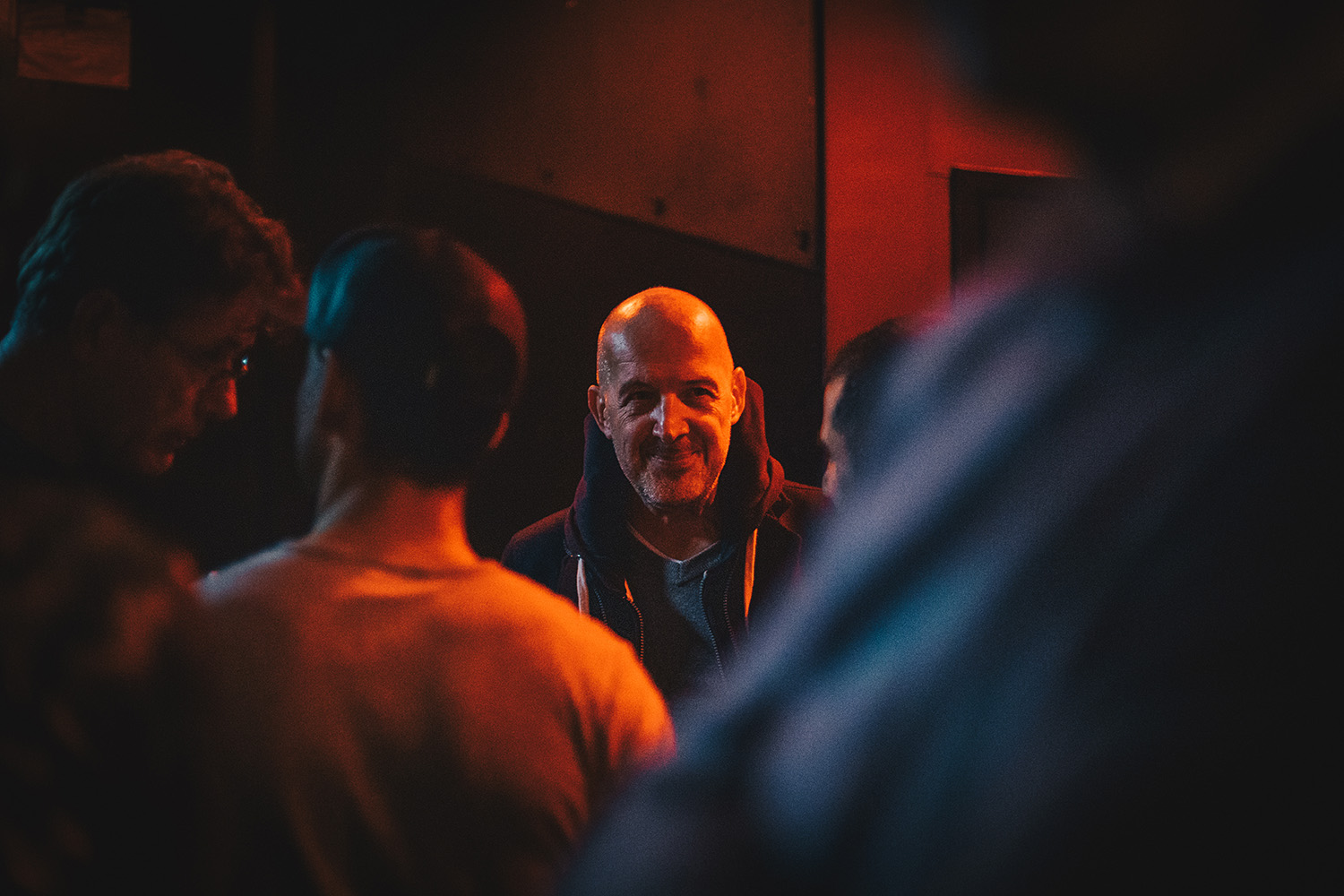
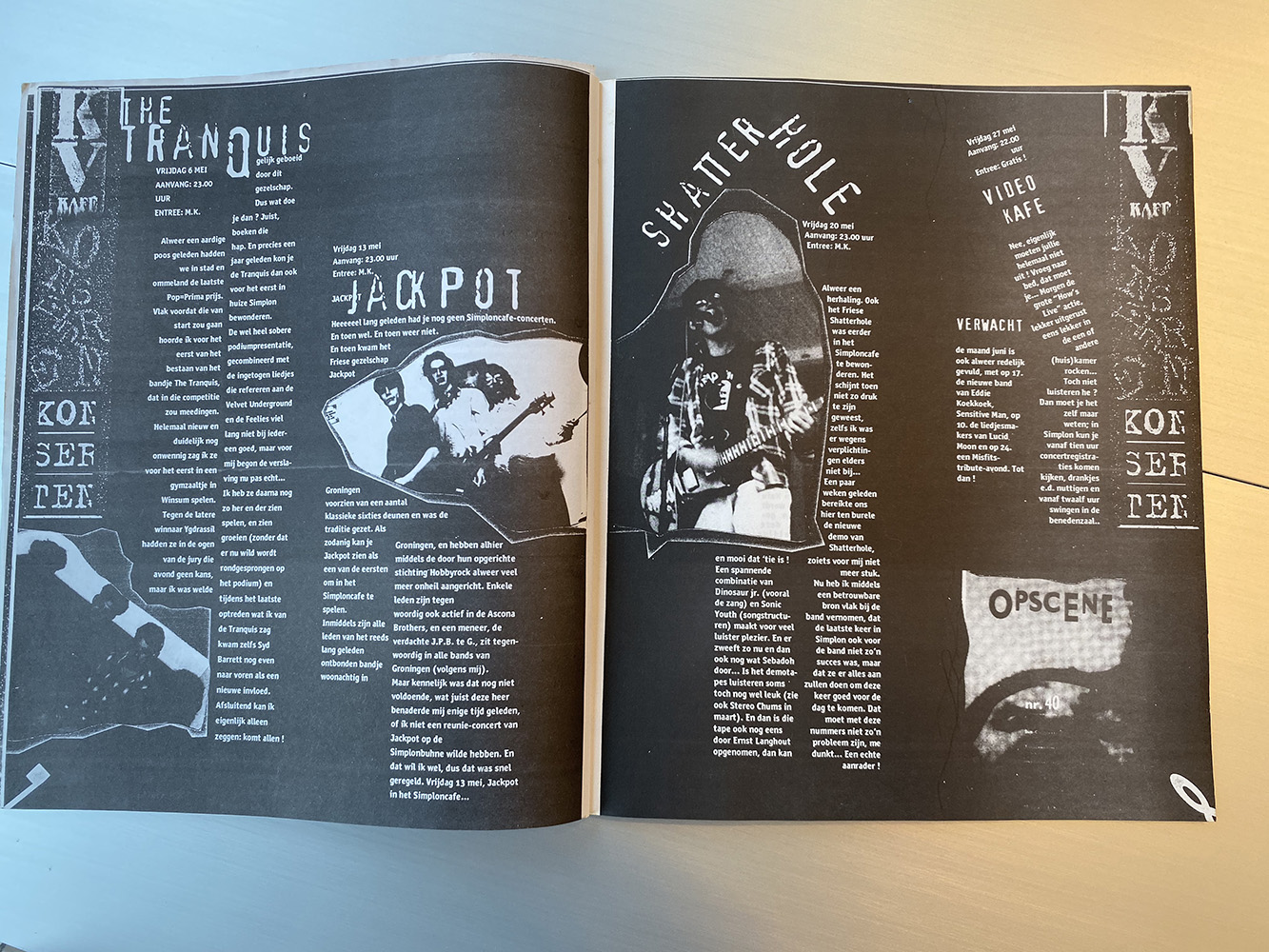
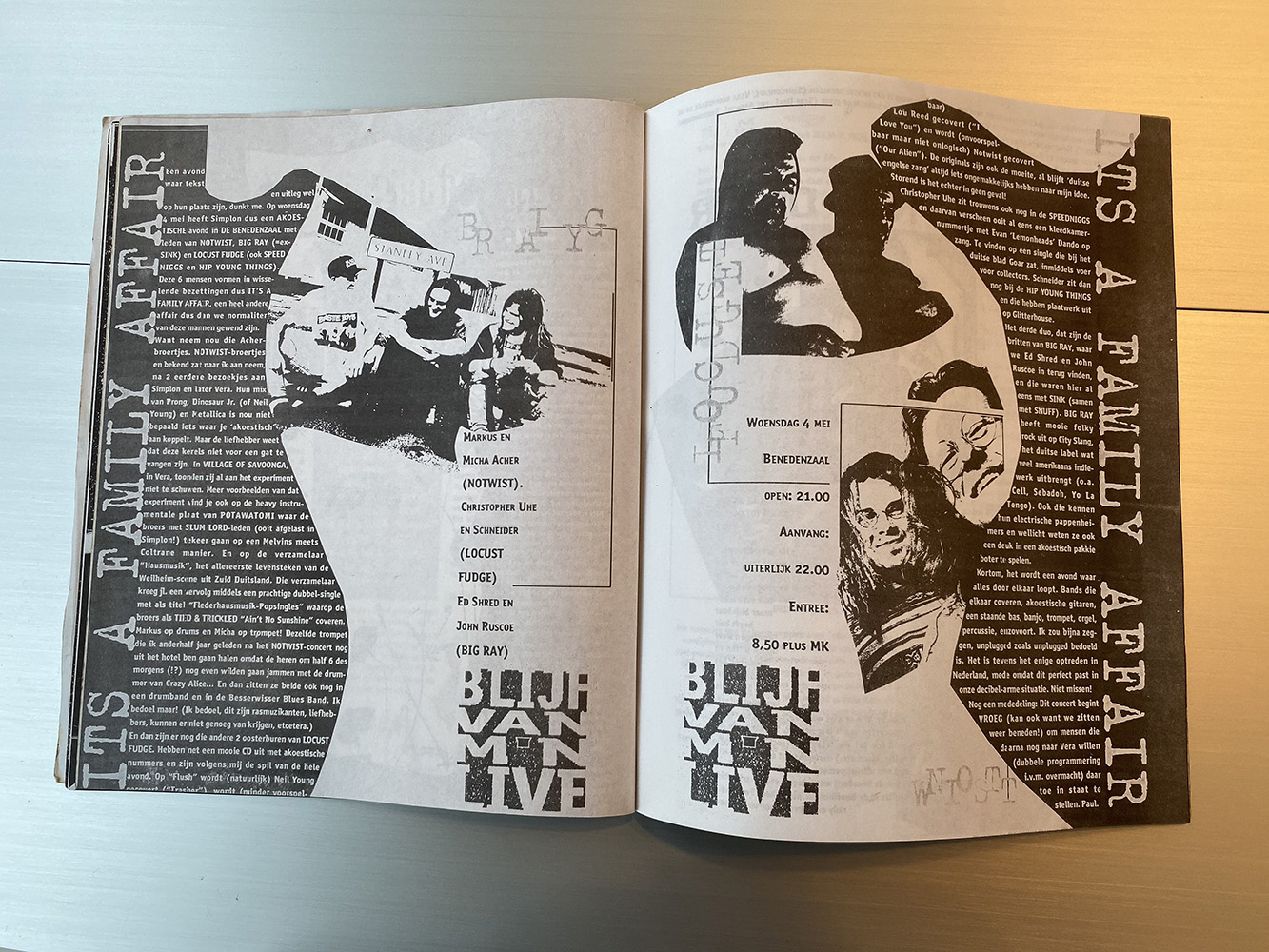
01:03By 1994, Simplon had become a true mothership. A place where music attracted creativity of all sorts and shapes
01:12But nobody could yet foresee the digital tidal wave. That was coming over the horizon. And then, somebody had a crazy idea. And I'm here to find out what happened. Groningen was the rock city of the Netherlands. The grunge scene, the punk scene was really happening. Nirvana played here
01:37Pearl Jam, one of my favourites
01:43And you had all these wonderful Groningen bands. That started touring the Netherlands. You had Jammah Tammah, de Boegies, Schroumpf. It was awesome. Most of us were still students. Or entrepreneurs in their eggshell. So drop outs. Basically drop outs. Nobody wanted them so they had to find something to do for themselves. And where the young and creative scene was happening in Simplon
02:09For the bigger names there was VERA. But most of us went to Simplon every day. To discuss our studies
02:20So this totally changed. The entrance of Simplon was back there. And now it is here. In this room behind us we did screen printing. We had a photo dark room here. And downstairs the video room. Simplon had also lots of work groups. So people who wanted to develop things. Creatively or nerdy. They could go to Simplon and work on those things. And create something together. I started at the art academy Minerva
02:46And I wanted to do something with visuals. I didn't know what. I met some nerds who wanted to build up a video group. And Simplon gave us the space and of course some equipment. To play around with video. Those days, I think we were with ten people at the film collective. And you sit there and you think, what are we going to do. And you just make a video clip, you know. And that's Groningen because lots of things are possible. And lots of creative young people who want to make something together. do you have the knowledge in Simplon? Yes here at Simplon we have enough people with the knowledge
03:22I was doing publicity, marketing, PR, producing magazines and posters. And we thought it would be cool. To put pictures of concerts on the website as well. Most of the bands had trouble getting signed on a record label. And what we found out is that through the internet. It was possible to start distributing your music. And again this was like 1993, 1994. Where most of the websites had no images at all. And we were just uploading content, like even small video clips. Took us like half an hour to upload it. But you know, that was fun for us. Just trying and figuring out what it could do
03:55And that's basically how the marriage started. Between the internet and the music scene in Groningen
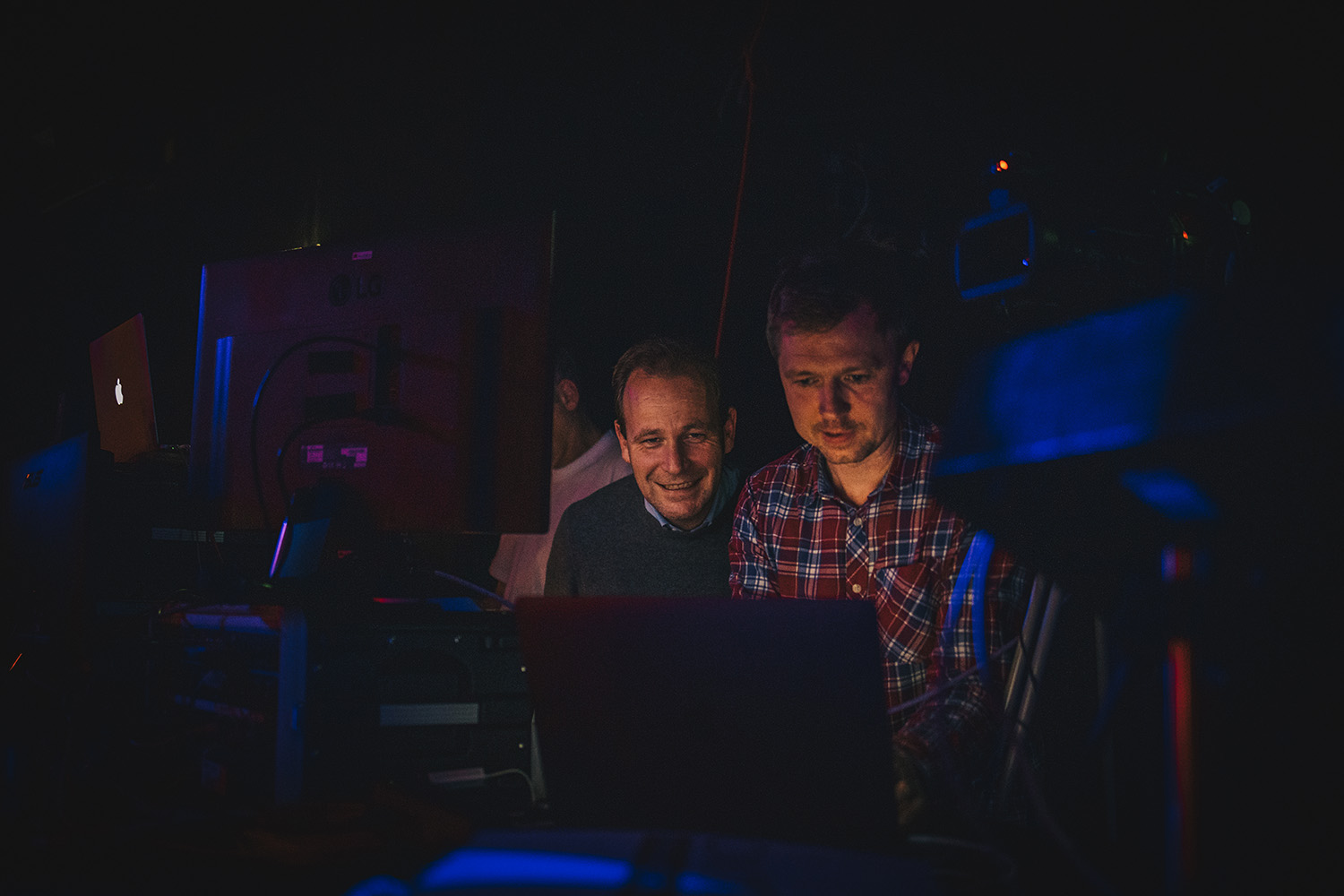
04:03Yeah we were aware that there were some even more nerdier people. In a room somewhere backstage trying something with web streaming. Or whatever what it was, we didn't even understand what it meant. This is the modem we used to broadcast live on the internet. 28.8K. Wow cool. I had one of these at home as well, useless. Took ages, those stupid noises. So how on earth did you manage. To get a live stream going over one of these. While just picking up the telephone was enough to kill the connection. We got a live feed from the video crew
04:37So we were able to get videos into the Macintosh computer. And it was grabbing video frames. And we were uploading them as fast as we could. Through the modem to the internet, to a server. And then we used some kind of a script that tricked the browser into thinking. That the image had to be refreshed all the time. So instead of refreshing the browser, we just refreshed the image. And the concept of video is refreshing images. So we had live video
05:04But when it worked, a lot of people said, okay that looks like shit. And I said, yeah it does. It's just one frame per second. Really low resolution. But it felt like liberating. Here we were, just a bunch of guys. Not understanding that much of computers. Being able to produce a live stream. And what happened next? Well we had four viewers. And we drank a lot of beer. Four. Not forty. Or forty thousand.
05:27No just four. I mean, this is 1994, right. How many people did have access to the internet? And you actually had to have a Mac computer. With Netscape 1.12b to watch the live stream. And Groningen had a big booming music scene back then. So I can imagine your live stream might have been. U2 or Pearl Jam, or the Cure. No I don't think so. Napalm Death? No it wasn't. Who was the band? I don't know
05:51It was some local metal band I guess. So in 1994, the magical evening happened, with the live stream. Were you there? I was there, yes. And what were you doing that night, filming? I think I was filming, yes. Do you remember much about the night? Uhm. No. And what was the name of the band for the very first live stream? I have no clue. This is serious shit
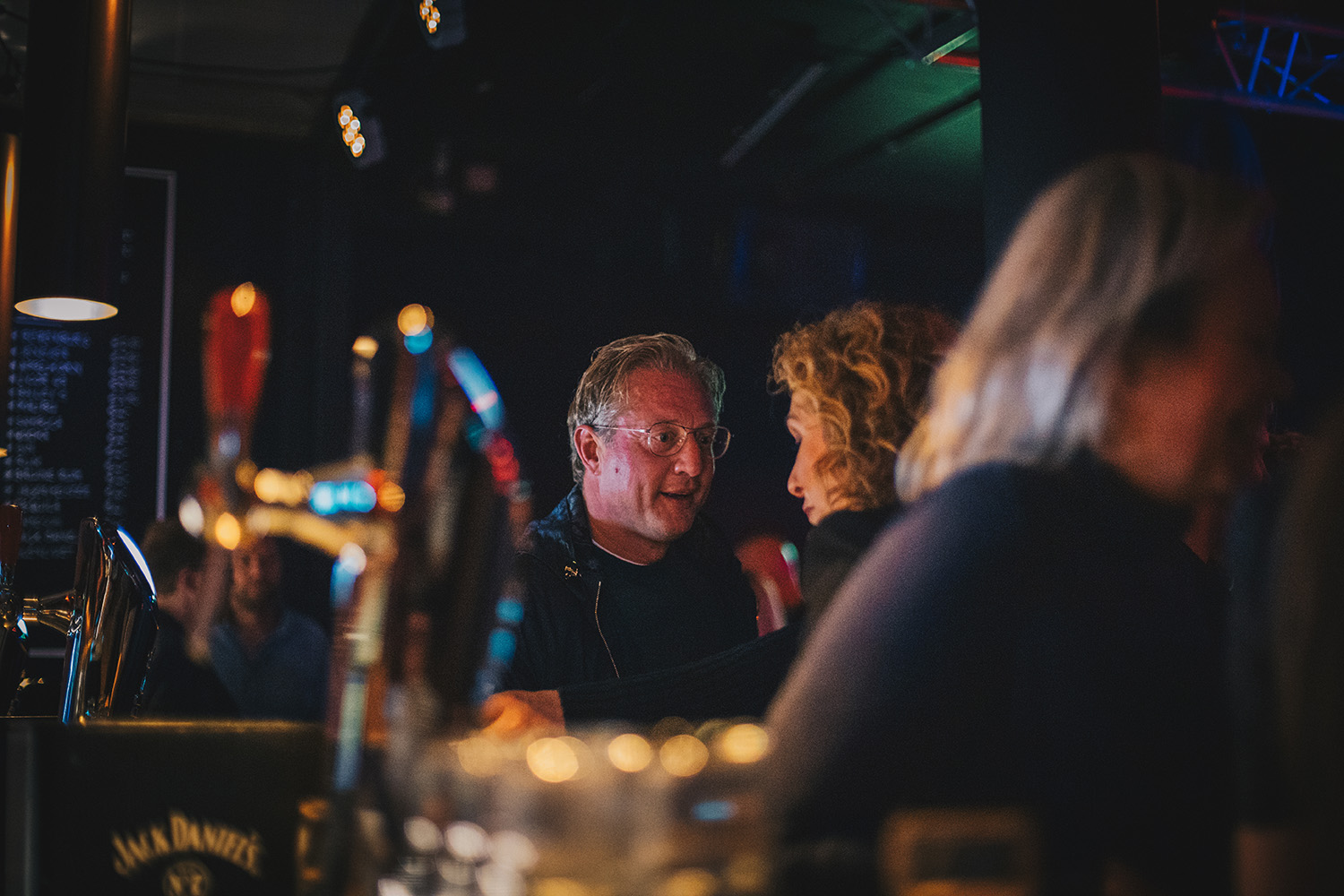
06:16So this is the main hall of Simplon. When I got into Simplon, I went to the bar. And two guys approached me. And they were next to me and just bumped me. They had leather jackets and they were really tough guys. They said: you buy us beer! And I looked at them and I kicked one of them. And I said: you buy beer for me. And that was like my acceptance. Those guys were Gerad and Hein. They basically lived there. They actually named the beer tanks after them
06:42But Gerad was really important to me because. He operated the light technology but also the video stuff
06:49Other nerds came to us and they said. Maybe you want to do some live video with rock bands in a big concert
06:56And so we didn't have to think twice. And we said: yeah of course let's do it
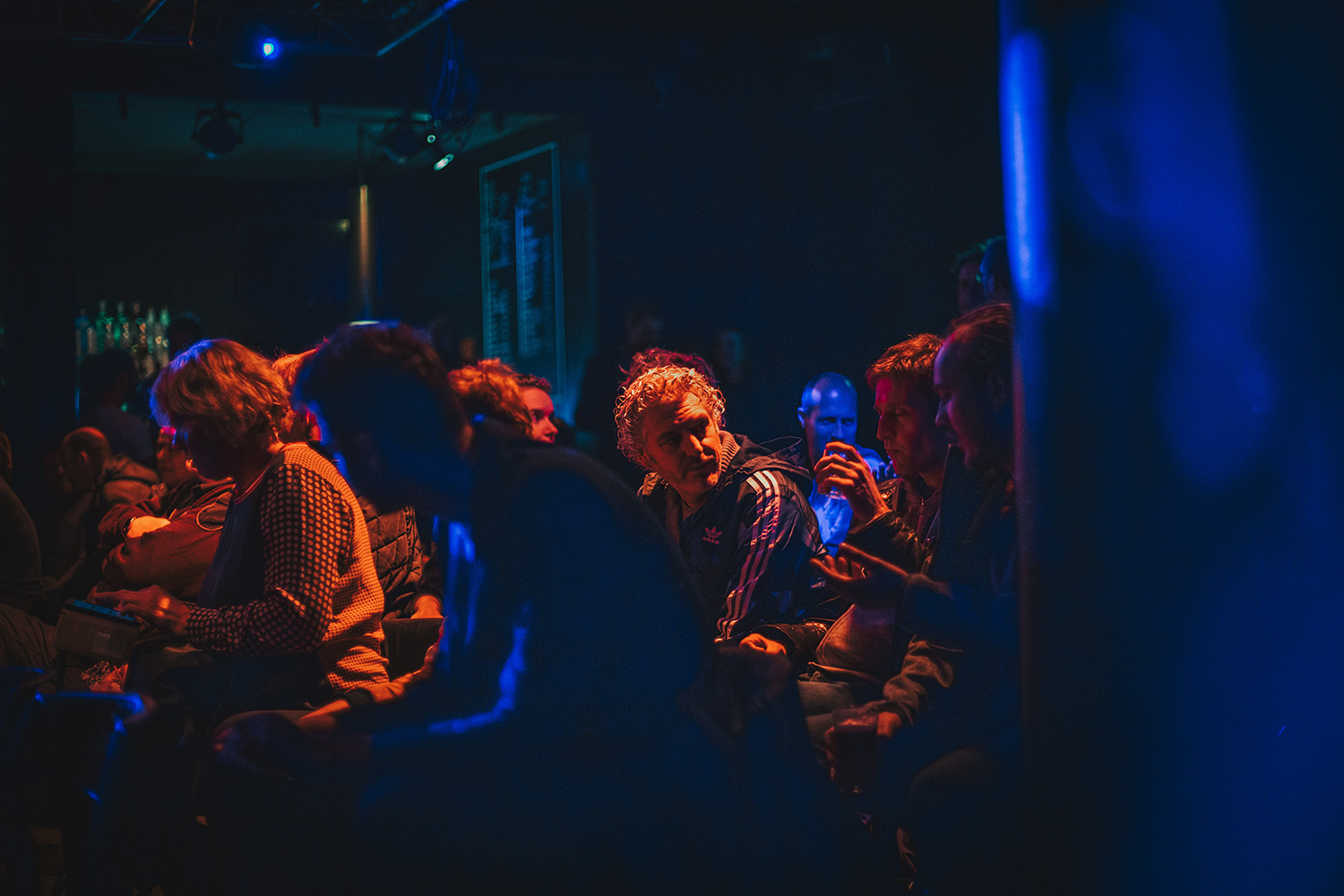
07:03Every year, Groningen becomes the center of the entire European music scene. Thousands of professionals gather. And more than 350 bands come here to get discovered. Guess what happened in 1995. Yep, you guessed it. They started to live stream everything
07:33It was 25 years ago, 1994. I talked with some people. And I thought: internet, what's happening. We should do something with it. So I decided to invite both people from VERA and Simplon. They started building a website. Also an internet cafe overhere. So we started streaming the first concerts
08:00So you know you were on stage with the big camera. For the first time looking into the audience. Like yeah this is something really nice. It was not really that we were aware of the impact. That everything was broadcasted or was online. Of course you know that it was sent outside. But we were only recording it on these VHS tapes. Those crappy tapes. So we could copy it for ourselves and watch the show at home. I think it was one or two computers that were actually doing the live stream. And you had to take the cassettes from the actual cameras. And move them to the backroom
08:30Because this was pre digital. Yeah at the earlier versions we ran with the camera. And tape to the capture machine. And then ran into the hall again to film new interviews or concerts. Is there any particular band you want to see at Noorderslag? Ellen ten Damme, and Bauer and Daryll Ann. Live streaming was not that important, actually. Because we got to see the bands. Did you hear that Bauer doesn't play? No I haven't heard. Green Lizard will play instead. Doesn't ring a bell
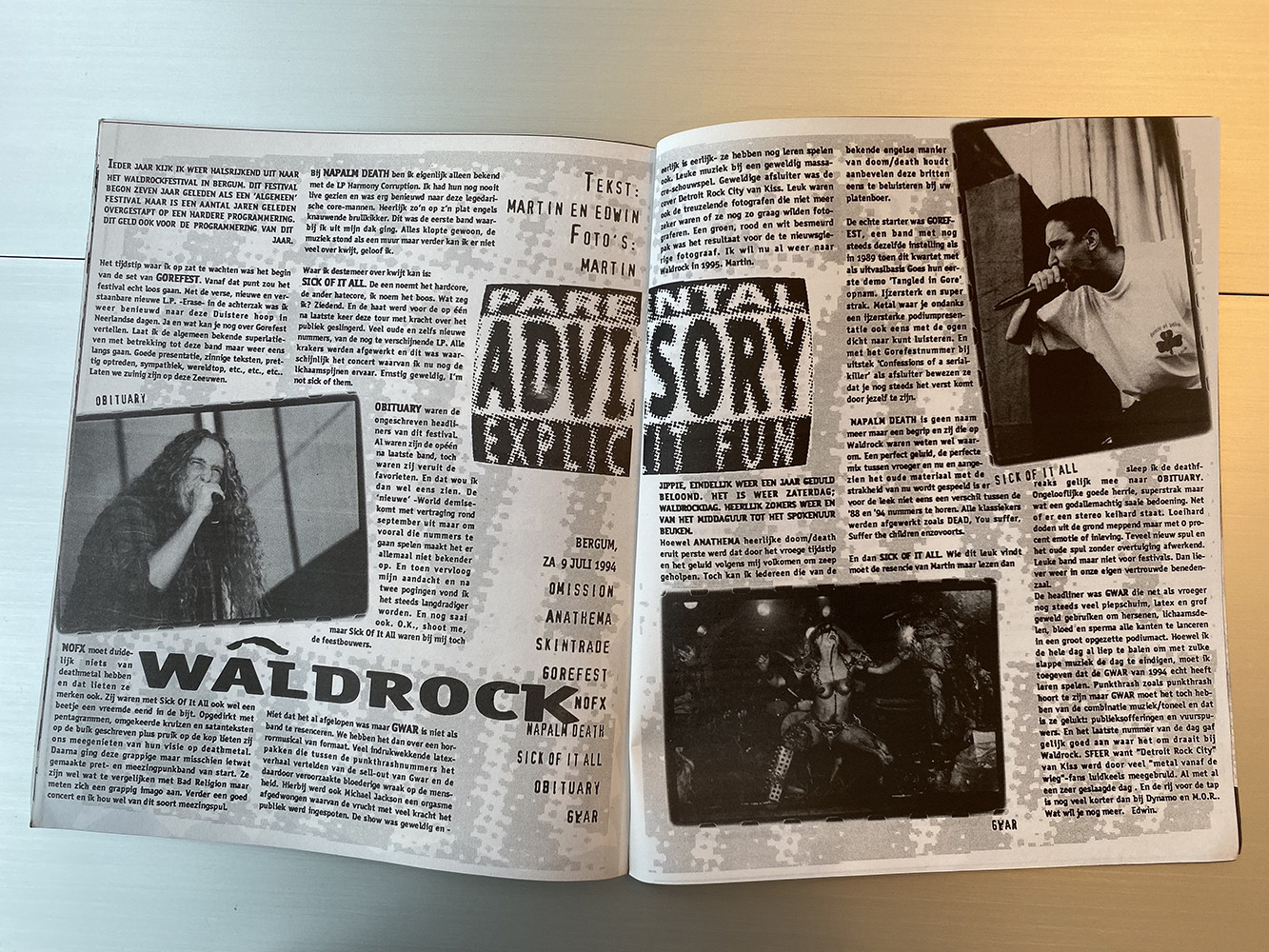
09:04But I love animals. So I don't mind. Green Lizard. Just go and watch them. And I got to direct the metal cellar. A genre of which I knew nothing. The voices of the singers went from. (grunting). to. (shreaking high pitch). And my favourite was a band that sang in dialect
09:28Good evening! We are the only satanic band from Drenthe, two, three, four!
09:41I was definitely filming in the metal cellar. I'd rather film a very energetic dark doom metal band
09:48Than a Marco Borsato or something. Marco Borsato! You were on stage, with your camera. Yeah, hiding from the beer showers. Hiding from the beer showers, okay, that happens. So what was the best band you got to see. In all your time. I enjoyed Osdorp Posse. I think it was actually when they won the Popprijs. They were so energetic. It was definitely like an explosion of energy
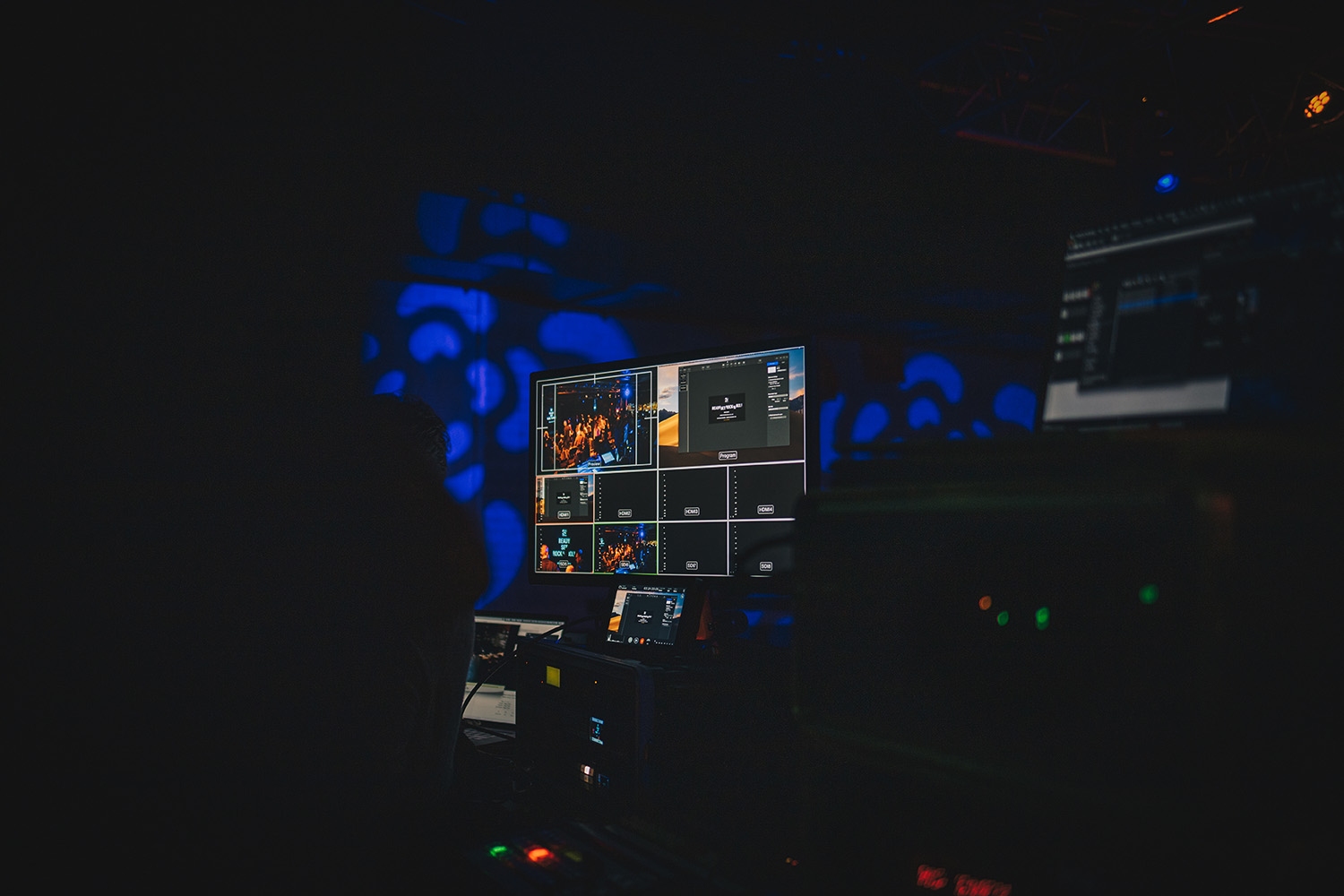
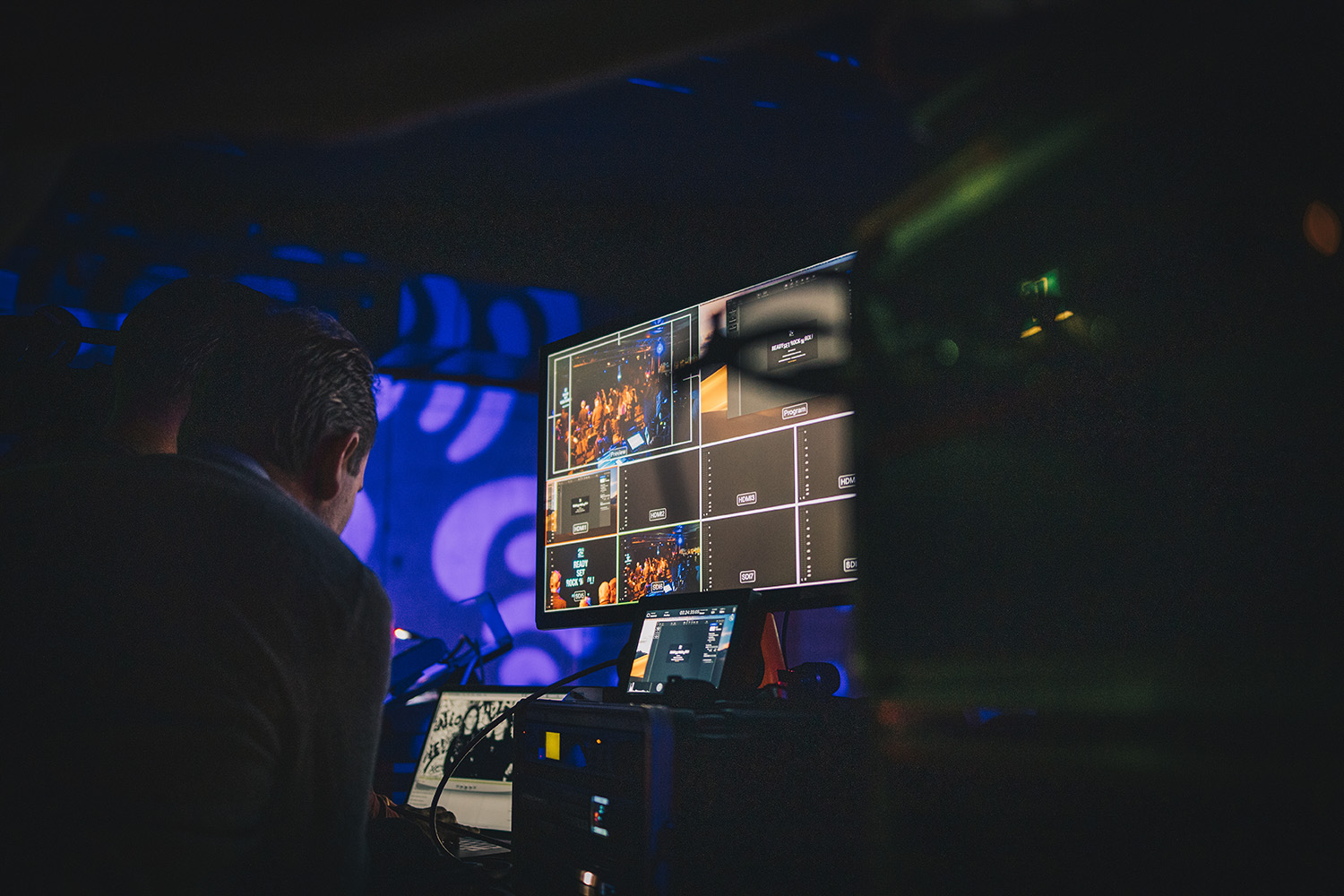
10:24So Stef, Eurosonic Noorderslag, that's a big deal. Of a music festival for the whole of Europe. And you broadcast that with eight computers: how? The Eurosonic festival is spread over multiple venues in the city. And we wanted to broadcast live from every venue. So we didn't just need infrastructure in one location. We needed infrastructure in the entire city. It was a big operation, like vans hauling. Computer equipment, video equipment, cables. From wherever to the Oosterpoort. It actually took us two weeks to build up the infrastructure at the Oosterpoort. To do the live streaming
10:55And get cameras from everyone, mixers, you know, audio mixers, video mixers. Screens, we needed so much stuff to do the broadcasting. But wait, you were live streaming images with audio? Yes, in 1994 we were just doing video. But from 96 and 97 we were doing audio and video as well. And we were doing 8 simultaneous live streams on our website. I can imagine the cabling must have been a nightmare. It was miles of cables. And people broke the cables by walking through the venues. It was a nightmare. Yeah it was really low tech. It was like I think VHS cameras
11:28Analog video output. Mixing them together and then fed into those magical computers. To uplink them somewhere on the internet. Yeah we were filming but if the big cameras of the tv were there
11:41All the people backstage were a bit nervous. Oh no you have to go out of the stage. Because the big cameras are coming. But now it's totally different you know. Because now it's internet and booming all the time. Now I think maybe the nerds have become the rock stars. Yeah haha. Cut. Nathalie, you are working on the internet project. What is it that you do? I mix the main hall, the live broadcast of the bands playing there. There was some stress, what was the problem?
12:07Everything! So streaming this serious music festival. I can imagine you need fiber connections, super high speed modems. Well this is 96 to 2000, right. Before broadband, so at the luckiest location we could have ISDN. But most of the time we still used modems. To broadcast live on the internet. Still dial up. Dial up, yeah. I recall one very cool incident. Where we had eight computers lined up. To dial up into the internet for the live streaming
12:36Like an hour before we had to go live. But there was a problem with the phone switcher. It was breaking the connections. And all the computers showed errors. Dial-up error, dial-up error, dial-up error. But then one of the modems started to ring. Then we heard someone pick up the line. The guy was yelling through the phone and breaking up the connection. And then the second modem started to ring. So our battery of encoders and modems. Had dialed that person. For like an hour, eight times per minute
13:06In French Guinea! We forgot to remove the zero. If you dial from an internal network outside. You have to put a zero in front of the number. But we dialed for over an hour to an international number. Which increased the budget quite heavily
13:30So over time these live streams got more and more popular, right? Right, we started with four viewers at the first time. After a few years we had ten thousands of viewers. So we actually broke the internet. You mean the connection dropped. No we broke the internet. The internet. We had so many viewers on the servers. That nobody else could do anything. I mean not emailing, not chatting. It's not working anymore. What do I care
13:54So you broke the internet, again, and again and again. This wasn't gonna stop. No we kept breaking the internet. Because more and more people got on the internet. And people really liked the idea of watching live streams. So how did you fix this problem? We called the internet service providers. And asked them if we could put some servers inside their networks. And told people to go to the local server. Instead of going over the internet. Traffic on the internet was unaffordable. So we found a way to offload all that traffic into their local networks
14:22So I founded Jet-Stream as a company. To do this for the telecom industries. And you still do this today for some of the biggest. publishing and broadcasting companies in Europe. Exactly. Who was the band? I don't know! I don't know. It was a metal band. Not Metallica. In the year 2000 streaming had become business as usual. For the nerds of Groningen
14:43They knew how to make live streams of big concerts. And send them out all across the world. But realise this was still years before broadband was coming. And even YouTube would not be born until 2005
14:57We're here in Groningen which I think is still a fantastic creative city. But I ask myself: are they still ahead of that curve like they were in 1994?
15:07Perhaps, one of the current internet rock stars. Could help us understand what's happening in Groningen today. And so Mark, are we still ahead of the curve? I think we're doing a lot of stuff right. There's a very good foundation. There are more example companies. There's a better infrastructure from the university. There's more attention to it from local governments. So yeah, there's a lot of stuff that's ready to go big. And there are also some great example companies that already went really big. I really love BelSimpel. They employ 350 people, have revenues in the hundreds of millions
15:37So they are doing really great. I think Dataprovider is an awesome company. They scrape the internet and structure the data. All the data you want to know about companies. And they've done this for about six years now. So you can actually go back in time. They have like a heartbeat of how the internet has developed. Which is really useful. I really like HackerOne. HackerOne hacks the internet. Started by two guys at university, right? Started by two guys at university
16:01And what they did, they hacked their own university system. And were able to change their own grades. They decided that there should be more protection. And they founded a company where you can hire hackers. To scan your systems. And they're actually making the internet safer. So that's a real cool company to see in Groningen. And the nerds, they've become the rock stars, right? I think the city often reacts to the nerds as if they are rock stars. But I don't think the nerds actually feel like rock stars. Why not? I don't know
16:31I think we like to create stuff often. And don't really care about how the rest of the world feels about it. Maybe that's it, yeah. And who was the band? I have no clue who the band was, no
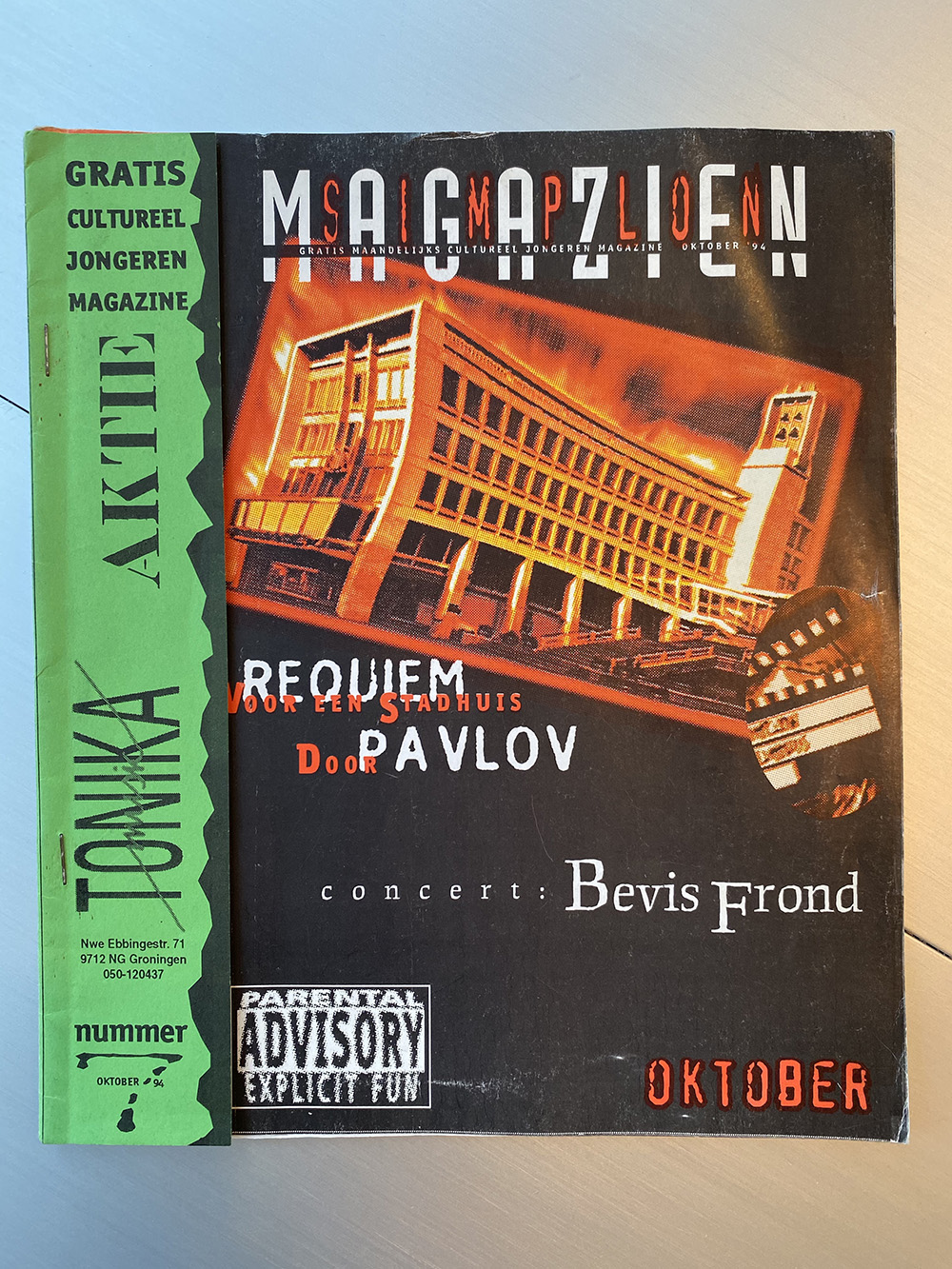
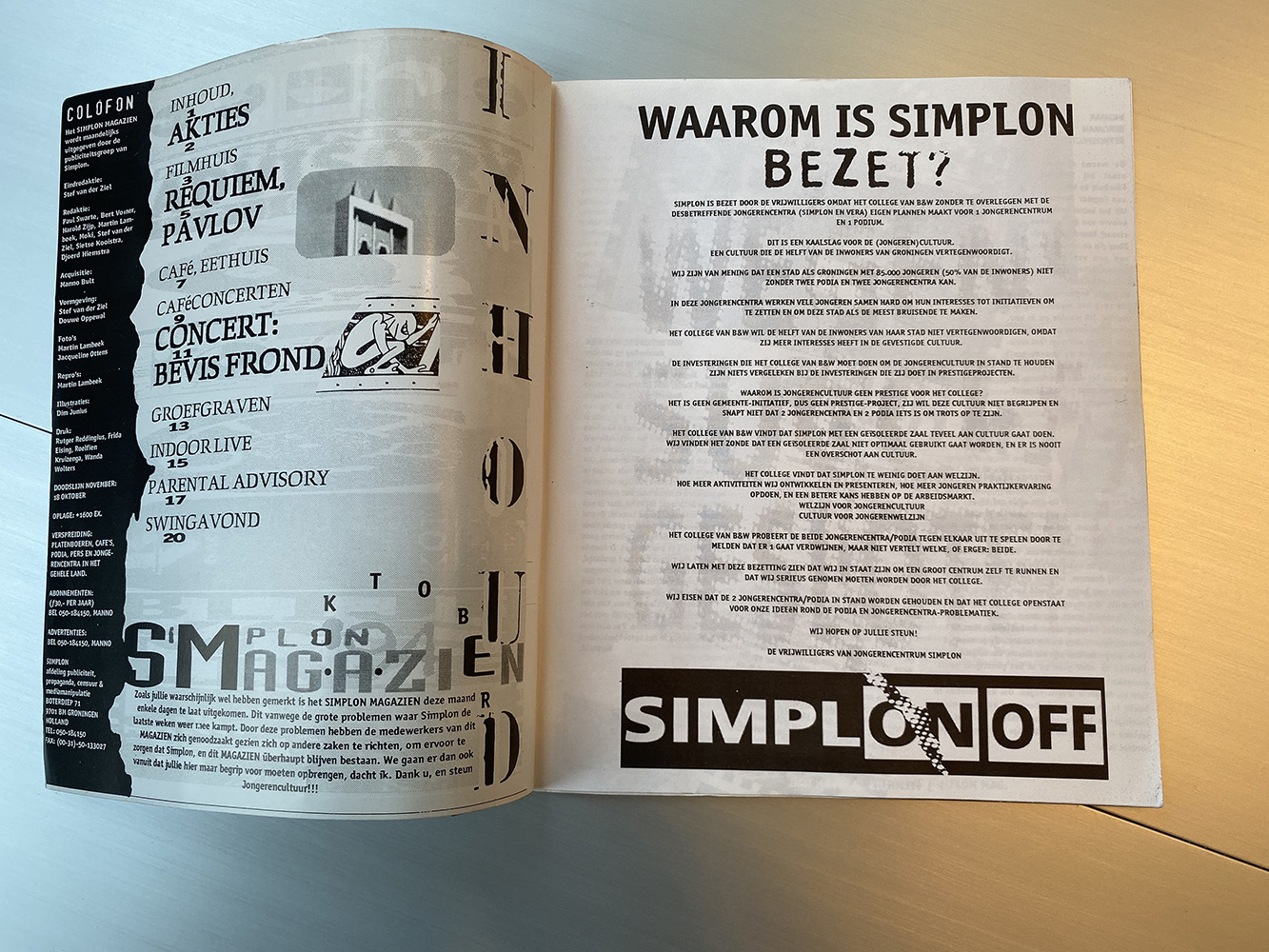
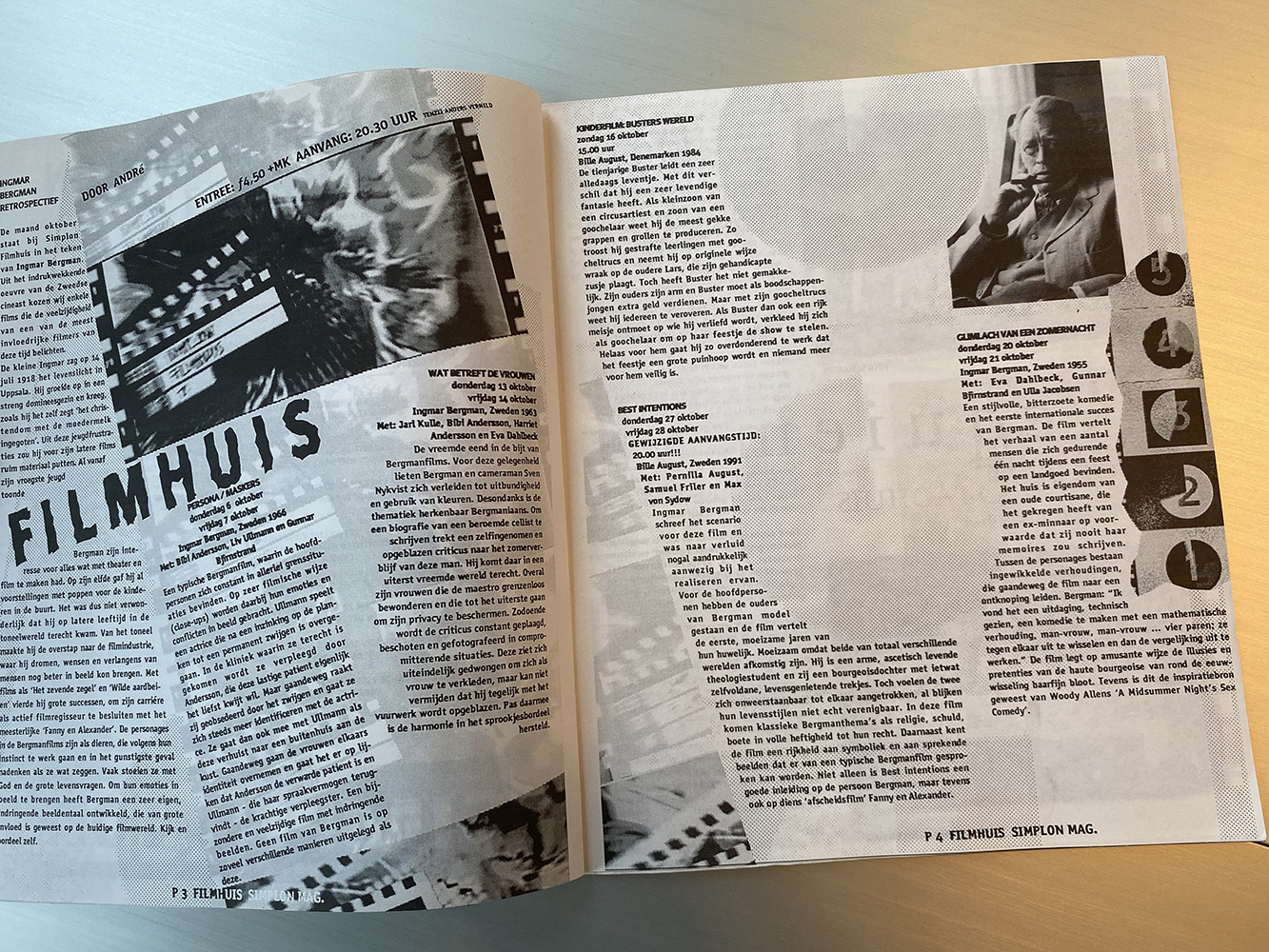
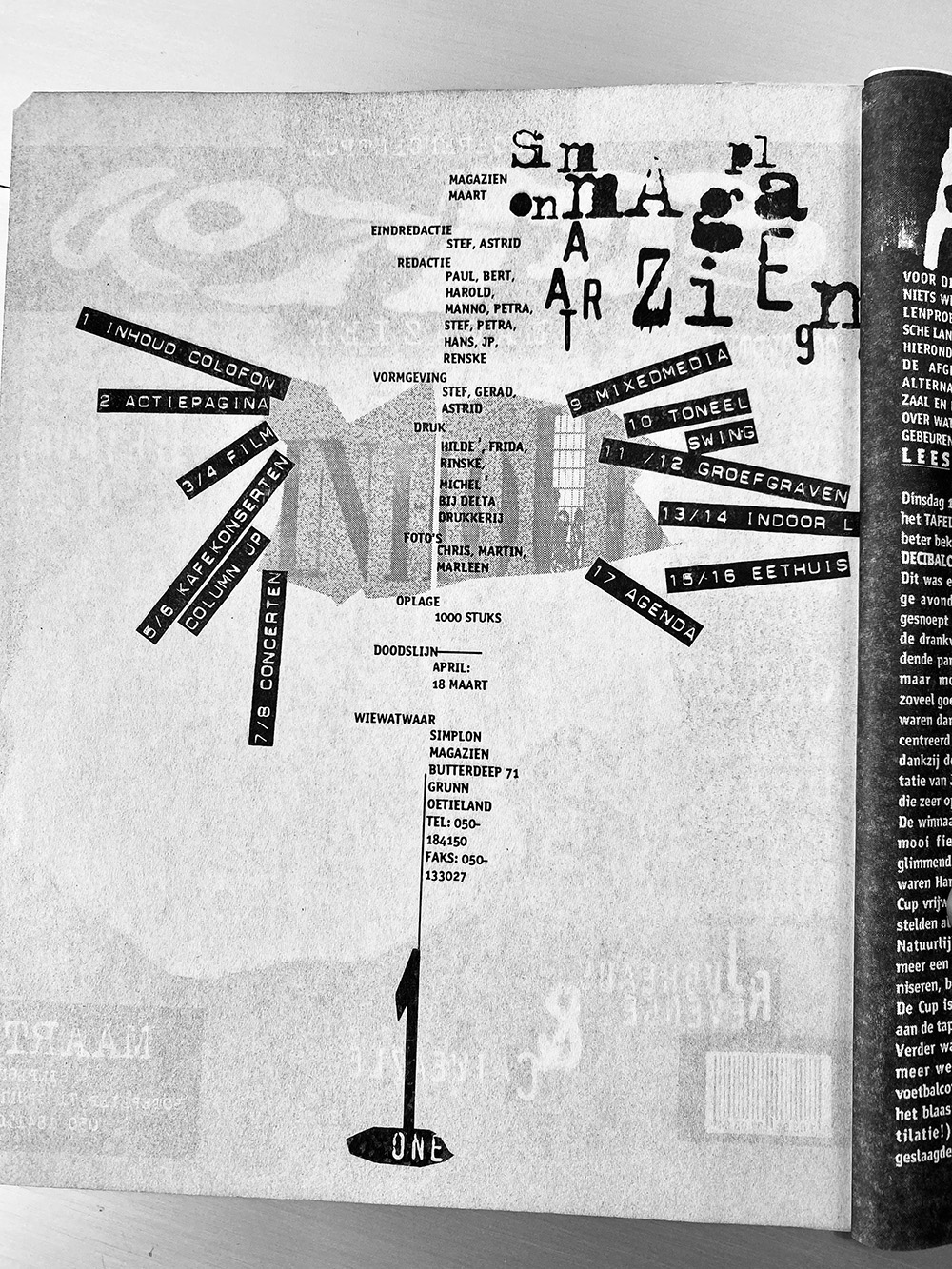
16:44Nirvana. No it wasn't Nirvana. Biohazard. Biohazard, no it wasn't Biohazard. Prong. Snap your fingers, snap your neck. But no it wasn't Prong. Stef, you were head of publicity. You've got all the magazines from that era. How is it possible you don't know who the band is. We don't have the magazine from that month. And how do you not have the magazine from the month. You made the world's first live stream?
17:07I guess we were live streaming. So we still don't know who the band was. We don't know who the band was. So all this film material, does it still exist? It still exists. I saved it from Simplon. Brought it to my house first and then brought it to the archives here in Groningen
17:24So maybe we can find out who the band was. If it's there, it's in the archives, yes. This must be it. It says Simplon. Oh exciting. And VERA. What was the date again? November 4 1994. Okay, then it is this tape
17:43This should be it
17:48hey folks. I see a tape. Is it the tape? We think it is. Can we see it?
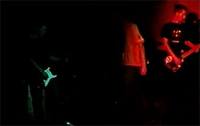
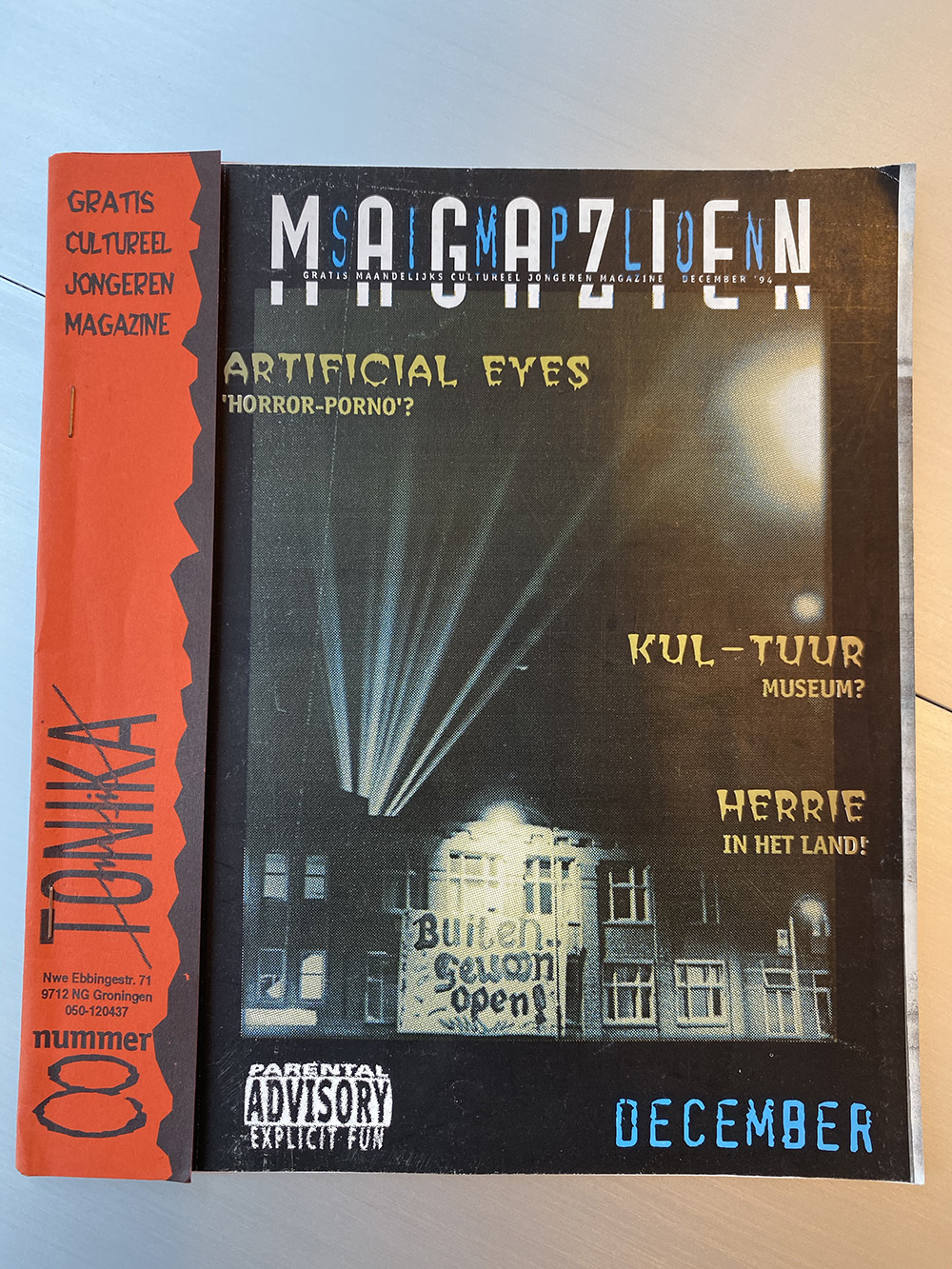
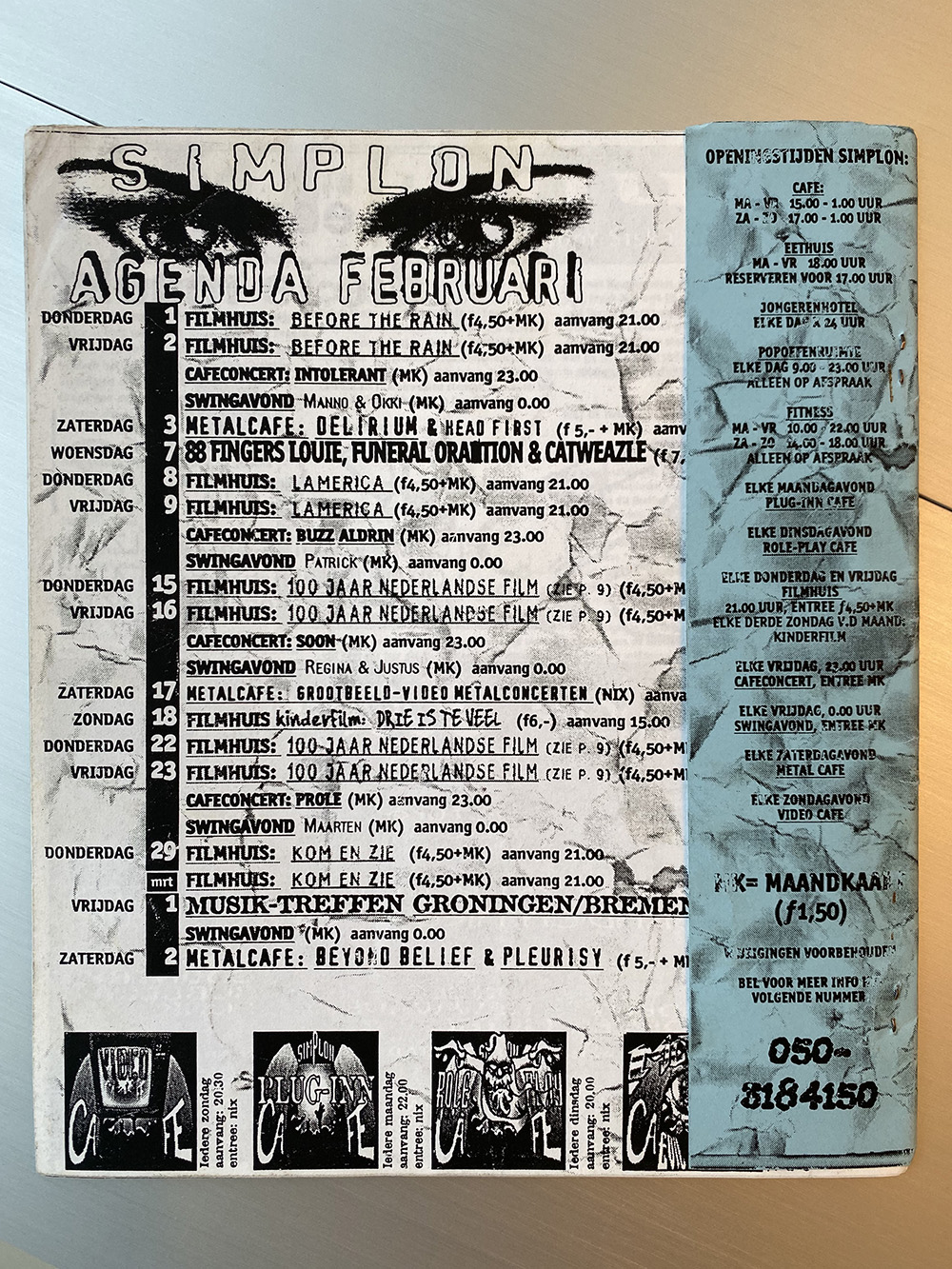
18:00I see a band. And this is the tape from 1994? It is. But how can we be sure, did you also find a magazine in the archive? No, there was no magazine. There was no magazine, but there was a leaflet. Okay. It says November 94
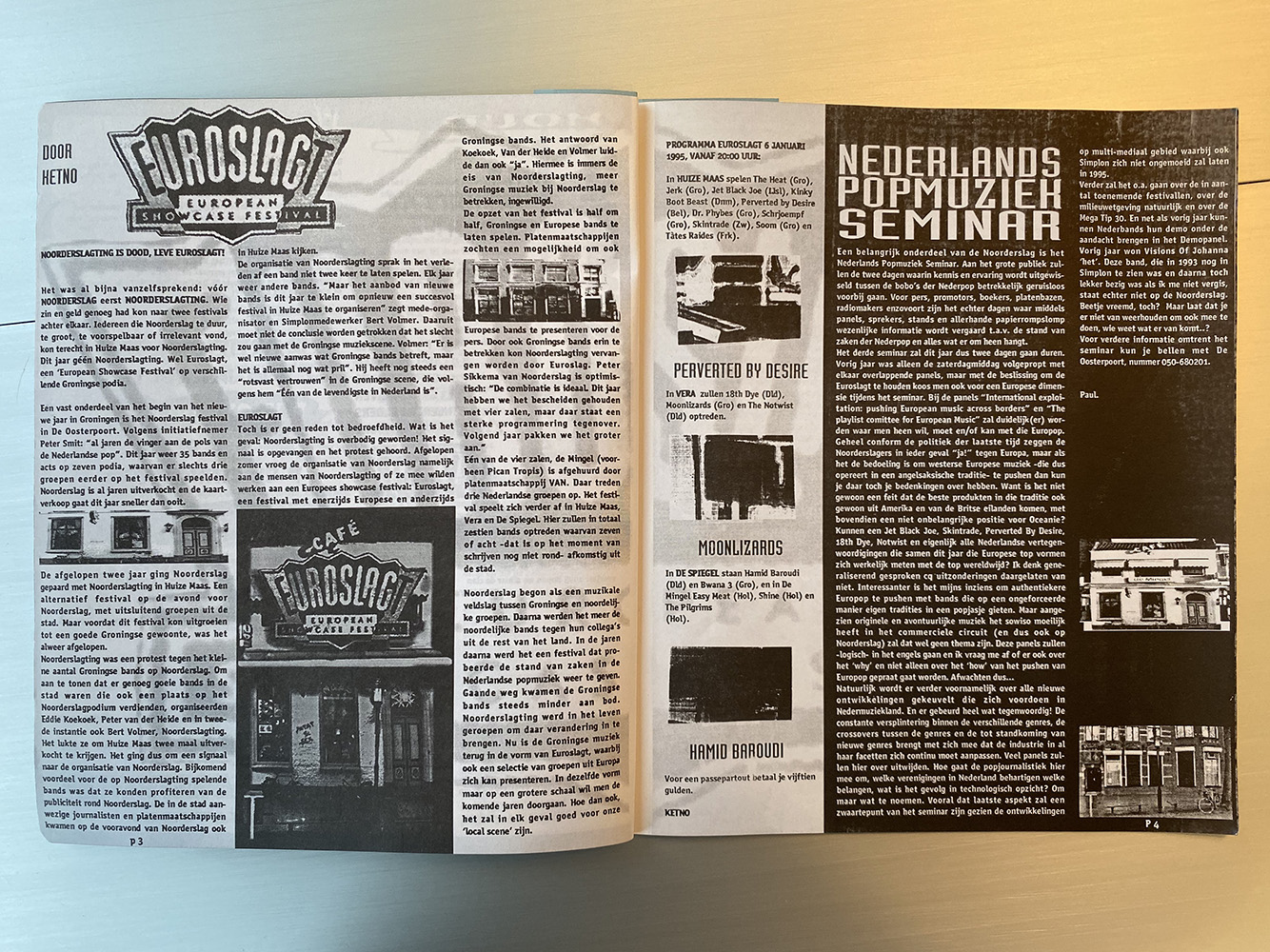
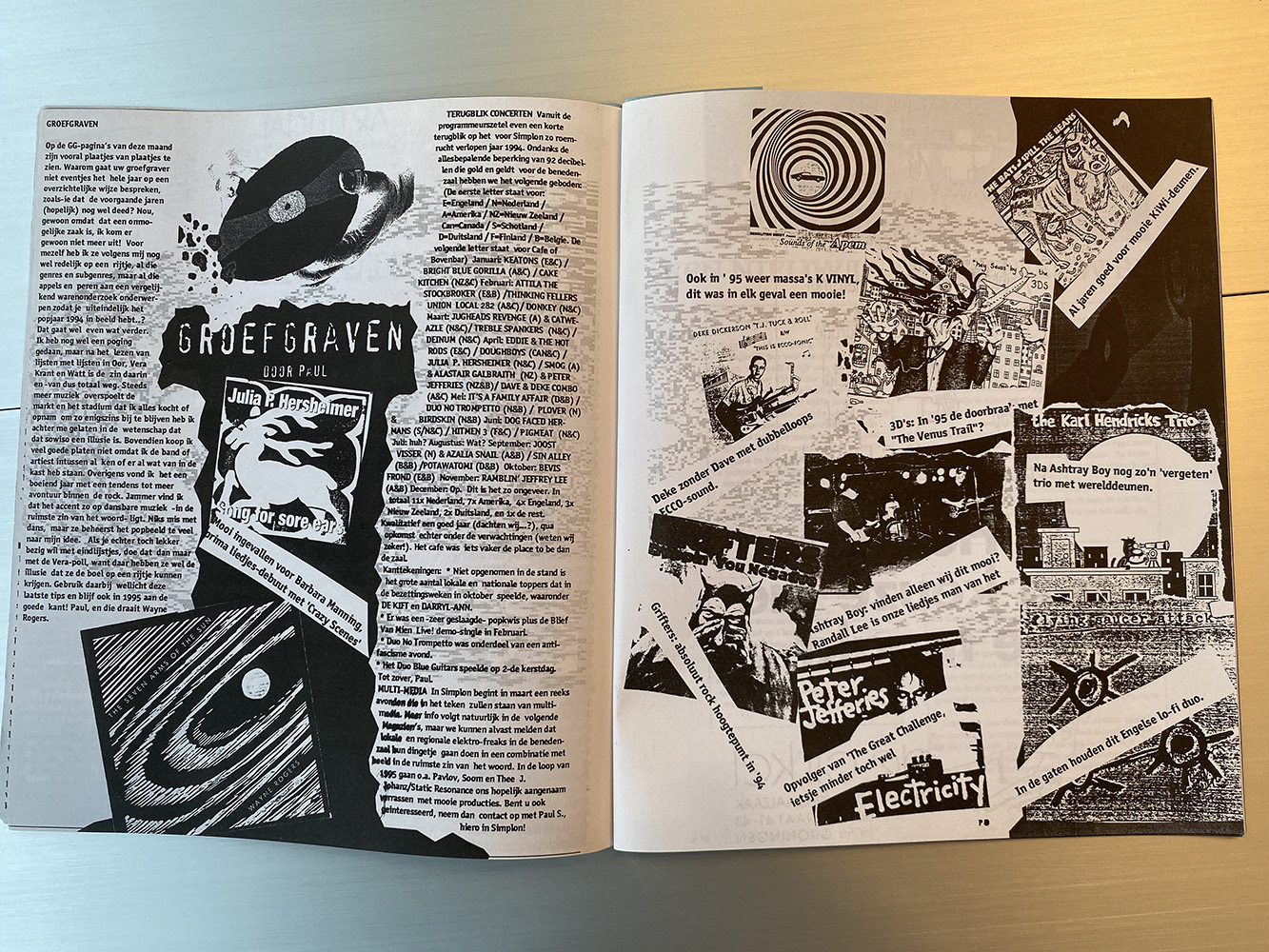
18:18Simplon. Oh the agenda. Friday the 4th. I know who the band is! It was the AMP. A band from Friesland and Groningen, the AMP. I've never heard of them but I'll take your word for that
18:38Twenty five years ago, something incredible happened. Hidden in a booming live music scene in Groningen. But almost nobody noticed it. And now, we can't avoid it. Netflix, YouTube, Facebook, Instagram. Can you imagine life, without live streaming?
22:03Released under Creative Commons. 25yearsstreaming.com